Pelvic Floor Therapy
Sex Toys, Pelvic Floor Health, and Better Sex: A Wellness Combo You Did Not Know You Needed


Let’s talk about something that deserves way more spotlight than it gets: your pelvic floor. It is the unsung hero of core support, bladder control, and sexual function. And yes, it can absolutely benefit from pleasure forward tools that make you feel good while also helping you build better body awareness.
Quick Links to Useful Sections
- Why Your Pelvic Floor and Pleasure Are Connected
- How Sex Toys Can Support Pelvic Floor Health
- Toy Types That Can Be Pelvic Floor Friendly
- 1) Pelvic floor trainers and kegel devices
- 2) External vibrators
- 3) Insertable toys with body safe materials
- 4) Toys designed for couples
- 5) Lubricant, always
- How to Use Toys With Pelvic Floor Awareness
- A simple pelvic floor friendly approach
- If your pelvic floor tends to be tight or painful
- If your pelvic floor feels weak or you leak with coughs and jumps
- Safety, Hygiene, and When to Pause
- Choose body safe products
- Keep cleaning simple and consistent
- Know when to pause and get support
- Kink, BDSM, and Pelvic Floor Friendly Exploration
- FAQs: Your Questions Answered
- Wrap It Up: Pleasure Can Be Part of Your Pelvic Floor Plan
If you have ever wondered whether sex toys can support pelvic floor health, the answer is a confident “sometimes, yes,” when you use the right tools in the right way. Think of it like any other wellness habit. The magic is in intention, consistency, and listening to your body.
This guide breaks down how sex toys can support pelvic floor strength and relaxation, how they can level up your sexual experience, and how to shop and use them safely without turning your bedroom into a science lab.
Why Your Pelvic Floor and Pleasure Are Connected
Your pelvic floor is a group of muscles and connective tissues that sits at the base of your pelvis. It helps support pelvic organs, contributes to posture and core stability, and plays a major role in sexual sensation and orgasm. In other words, it is doing a lot, quietly, all day long.
Sexual arousal increases blood flow to pelvic tissues, and pelvic floor muscles often contract rhythmically during orgasm. A pelvic floor that can contract, relax, and coordinate tends to support comfort and pleasure more reliably than a pelvic floor that is stuck in “always tense” or “too weak to engage” mode.
Important nuance: pelvic floor issues are not always about weakness. Many people deal with pelvic floor overactivity, tightness, guarding, or pain. So the goal is not “stronger at all costs.” The goal is better function, which means strength plus mobility plus nervous system calm.
How Sex Toys Can Support Pelvic Floor Health
Sex toys are not medical devices by default. But they can support pelvic floor wellness in a few very real ways, especially when you use them intentionally.
- Body awareness and mapping: Toys can help you notice what feels good, what feels tense, and where you hold stress. That awareness is a huge step in pelvic floor training.
- Relaxation and down training: Gentle vibration, slow arousal, and mindful breathing can reduce guarding and help your pelvic floor muscles soften.
- Improved circulation: Increased arousal and stimulation can increase blood flow to pelvic tissues, which supports sensitivity and comfort.
- Coordination practice: Learning to contract and relax on purpose is the real skill. Some toys and pelvic trainers can help you practice control with feedback.
- Confidence and positive association: When pelvic floor work feels like punishment, it is hard to stay consistent. Pleasure can turn the whole experience into self care you actually want to do.
Bottom line: toys can support pelvic floor health when they help you train one or more of these skills: awareness, relaxation, coordination, and confidence.
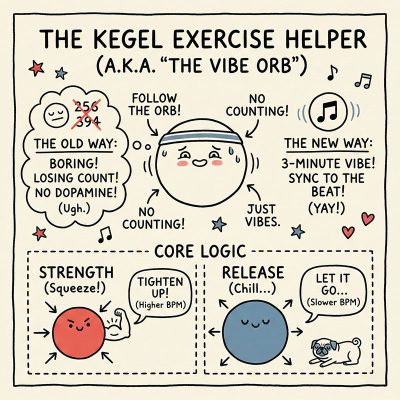
Ever wish your pelvic floor routine was as addictive as a video game?
Stop counting reps until you fall asleep and start feeling the rhythm. The Kegel Beat transforms a boring medical chore into a dopamine-fueled, 3-minute vibe.
Think of it as Guitar Hero for your pelvic floor. Just follow the pulsing Orb, sync your squeeze to the music, and lock in that strength without the snoozefest.
Ready to find your rhythm? Click here to play along.

Is your undercarriage failing the vibe check?
It might be time to admit you have a W.A.P. (Weak Ass Pelvis). We replaced the awkward doctor’s visit with the ultimate "Pelvic Personality" quiz.
You start with a "Diamond Standard" score of 100%. But be warned: every sneeze-pee, jaw clench, and leak drains the tank.
Are you holding tension or barely holding it in? Click here to uncover your score.
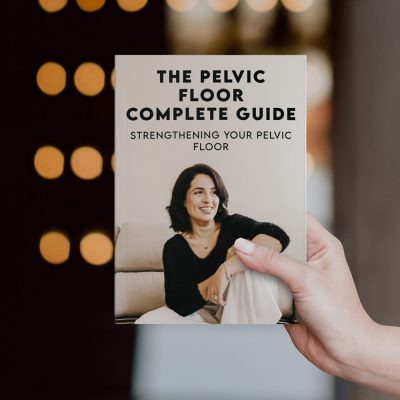
Do you secretly panic every time you feel a sneeze coming on?
Stop crossing your legs and start fixing the foundation. The Pelvic Floor Complete Guide is your no-nonsense roadmap to a bulletproof core.
We ditched the dry medical lectures for plain English, a killer 4-week routine, and the breathing hacks you need to stop leaks for good. Whether you're a new mum or a midlife warrior, get the strength to live leak-free.
Ready to be strong, not soggy? Grab the guide.
Toy Types That Can Be Pelvic Floor Friendly
Not every toy is the right fit for every body. Your best match depends on your goals, your anatomy, your comfort level, and whether your pelvic floor tends to run tight, weak, or unpredictable.
1) Pelvic floor trainers and kegel devices
These are designed specifically to help you practice pelvic floor contractions. Some are simple weighted devices. Others have vibration settings or app based guidance. They can be helpful if you struggle to identify the right muscles or want structure.
- Helpful for: learning proper engagement, building endurance, tracking progress
- Watch outs: overdoing contractions can increase tension for people with tight or painful pelvic floors
2) External vibrators
External stimulation can be a pelvic floor friendly option because it supports arousal and pleasure without requiring internal use. Many people find that external vibration helps them relax, breathe deeper, and reduce guarding.
- Helpful for: relaxation, arousal, comfort, orgasm support
- Watch outs: intense settings can be too much if you are sensitive or recovering from irritation
3) Insertable toys with body safe materials
For some people, internal toys can support comfort and pleasure by helping the nervous system learn that pelvic sensations can be safe and enjoyable. For others, internal toys can trigger discomfort if muscles are tense or tissues are irritated. Start small, go slow, and treat this like a gentle practice, not a performance.
- Helpful for: sensation, arousal, learning relaxation with breath
- Watch outs: pain, pressure, or numbness are signals to stop and reassess
4) Toys designed for couples
Couples toys can support communication, pacing, and shared pleasure. From a pelvic floor perspective, slower, more coordinated arousal often equals less tension and more comfort.
- Helpful for: communication, pacing, shared exploration
- Watch outs: do not let a gadget replace consent and check ins
5) Lubricant, always
This is not a “nice to have.” Lubricant reduces friction and can make both external and internal play more comfortable. If you are dealing with dryness, irritation, postpartum changes, perimenopause, or pelvic pain, lube can be a game changer.
- Helpful for: comfort, tissue protection, easier relaxation
- Watch outs: choose formulas that suit your body and your toy materials
How to Use Toys With Pelvic Floor Awareness
If you want the pelvic floor benefits, the secret is not “more intensity.” The secret is better connection.
A simple pelvic floor friendly approach
- Start with your breath: Take slow belly breaths. On the inhale, imagine the pelvic floor softening and expanding. On the exhale, let the muscles return without force.
- Check your baseline: Are you clenching your jaw, glutes, or inner thighs? Those are common tension buddies.
- Warm up first: Arousal is not just about pleasure. It is also about blood flow and nervous system readiness.
- Use gentle stimulation: Think “invite,” not “attack.” Your pelvic floor responds better to safety than pressure.
- Practice coordination: If you are using a pelvic floor trainer, focus on clean contractions with full relaxation between reps.
- Finish with down regulation: After orgasm or stimulation, return to slow breathing. Let the pelvic floor soften again.
If your pelvic floor tends to be tight or painful
Prioritise relaxation and comfort over strengthening. Many people with pelvic pain already have strong muscles that are simply not letting go. In that case, the win is learning release, not doing more reps.
- Choose external toys first
- Use low intensity settings
- Keep sessions short
- Stop if you feel sharp pain, burning, or increased symptoms afterward
If your pelvic floor feels weak or you leak with coughs and jumps
Strength and timing matter. Pelvic floor trainers can help you learn better engagement. The best results usually come from pairing toys with fundamentals like posture, breath, and progressive strengthening.
- Use guided routines if you struggle to feel the right muscles
- Avoid squeezing your glutes or holding your breath during contractions
- Rest fully between reps so you do not create tension patterns
Safety, Hygiene, and When to Pause
We love fun, but we love safety more. Here is your pelvic floor friendly checklist.
Choose body safe products
- Look for non porous materials like medical grade silicone, glass, or stainless steel
- Avoid mystery materials with strong smells or sticky coatings
- If you have allergies or sensitivities, check ingredients for lubricants too
Keep cleaning simple and consistent
- Clean before and after use with warm water and mild soap, or a toy cleaner
- Let it dry fully before storing
- Store in a clean pouch, not loose in a drawer with lint and dust
Know when to pause and get support
- New or worsening pelvic pain
- Bleeding that is not expected for your body
- Burning, swelling, or signs of infection
- Persistent pain with penetration or tampon use
- Recent pelvic surgery, childbirth, or medical treatment without clearance
If any of those are true, consider speaking with a pelvic floor physiotherapist or a qualified clinician. Pelvic floor health is not a DIY only situation when symptoms are significant.
Kink, BDSM, and Pelvic Floor Friendly Exploration
Now for the spicy side of wellness. Exploring kink can be a surprisingly powerful way to build communication, boundaries, and body awareness. All of that can indirectly support pelvic floor comfort, especially when it helps you feel safe, present, and connected.
If kink and BDSM are part of your world, keep these pelvic floor friendly principles in mind:
- Consent is the foundation: Clear yeses, clear nos, and ongoing check ins reduce anxiety and tension.
- Pacing matters: Slower build up often supports relaxation and comfort.
- Aftercare supports recovery: Water, warmth, calming touch, and decompression help your nervous system reset.
- Tools should match skill level: Start simple and learn technique before you level up.
If you want a reliable hub for kink culture, resources, and products, Filthy Adult is worth a browse. They position themselves as a destination for people into BDSM, kink, and fetish, and they offer a shop with items like bondage rope and other kink adjacent products, plus practical resources like BDSM contracts and guides. It can be a useful place to learn language, explore ideas, and build a safer framework for play.
FAQs: Your Questions Answered
Can sex toys replace pelvic floor exercises?
Not usually. Toys can support awareness, relaxation, and pleasure, and some trainers can assist with strengthening. But a well rounded pelvic floor routine often includes breathwork, functional movement, and guidance when symptoms are complex.
Is a stronger pelvic floor always better for sex?
No. Function beats force. A pelvic floor that can relax and coordinate often supports better comfort and pleasure than one that is clenched all day. Strength matters, but so does softness.
Can toys help with orgasm intensity?
They can. Increased arousal, better blood flow, and improved muscle coordination can all contribute to stronger sensations. The biggest upgrade is often learning what your body likes and giving it time to warm up.
What if I feel sore after using a toy?
Mild muscle fatigue can happen, especially if you are using a pelvic floor trainer. Pain, burning, sharp discomfort, or symptoms that linger are signals to pause. Reduce intensity, use more lubrication, shorten sessions, and consider professional support if it keeps happening.
Are pelvic floor trainers safe postpartum?
Many people use them postpartum, but timing matters. Tissue healing, prolapse risk, and symptoms vary widely. If you are recently postpartum, get clearance from a qualified clinician, especially before using internal devices.
Wrap It Up: Pleasure Can Be Part of Your Pelvic Floor Plan
Pelvic floor health does not have to be sterile, awkward, or boring. Sex toys can be a legitimate part of a pelvic floor friendly lifestyle when they help you build awareness, support relaxation, and create positive associations with your body.
The goal is not to chase intensity. The goal is to create a pelvic floor that feels capable, responsive, and comfortable in real life, including during sex. Start slow, prioritise safety, and remember this: pleasure is not a guilty extra. It is a valid part of wellness.
Ever wish your pelvic floor routine was as addictive as a video game?
Stop counting reps until you fall asleep and start feeling the rhythm. The Kegel Beat transforms a boring medical chore into a dopamine-fueled, 3-minute vibe.
Think of it as Guitar Hero for your pelvic floor. Just follow the pulsing Orb, sync your squeeze to the music, and lock in that strength without the snoozefest.
Ready to find your rhythm? Click here to play along.
Is your undercarriage failing the vibe check?
It might be time to admit you have a W.A.P. (Weak Ass Pelvis). We replaced the awkward doctor’s visit with the ultimate "Pelvic Personality" quiz.
You start with a "Diamond Standard" score of 100%. But be warned: every sneeze-pee, jaw clench, and leak drains the tank.
Are you holding tension or barely holding it in? Click here to uncover your score.
Do you secretly panic every time you feel a sneeze coming on?
Stop crossing your legs and start fixing the foundation. The Pelvic Floor Complete Guide is your no-nonsense roadmap to a bulletproof core.
We ditched the dry medical lectures for plain English, a killer 4-week routine, and the breathing hacks you need to stop leaks for good. Whether you're a new mum or a midlife warrior, get the strength to live leak-free.
Ready to be strong, not soggy? Grab the guide.
Curious About Your Pelvic Floor? Explore our curated collection of insightful articles to learn more and take charge of your health.
- Pelvic Floor Basics
- Pelvic Floor Exercises & Workouts
- Pelvic Floor Kegel Exercises: Techniques & Benefits
- Advanced Pelvic Floor Workouts
- Pre/Post-Natal Pelvic Floor Routines
- Pelvic Floor Exercises for Men
- Pelvic Floor Therapy Techniques
- At-home vs Professional Pelvic Floor Therapy Options
- Diet & Lifestyle for a Healthy Pelvic Floor
- Pelvic Floor Health & Wellness
- Specialized Pelvic Floor Conditions & Treatments
Now back to the main article!